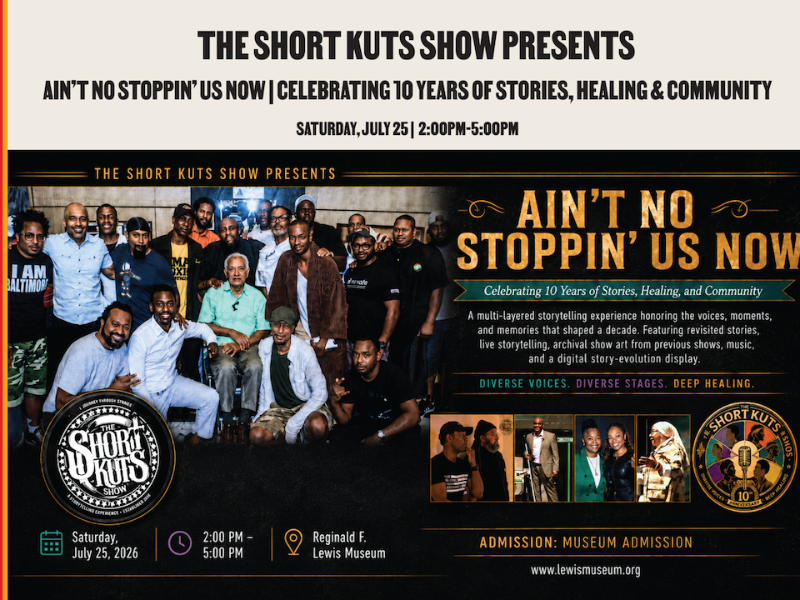
Ain't No Stoppin' Us Now: The Short Kuts Show Marks 10 Years of Story Sharing and Healing
Written by Michelle Petties, Baltimore Times Health and Wellness ContributorStanding under the lights during "Baltimore Unfiltered: Let's Talk About Sex," a show The Short Kuts Show curated last year for RnD Associates to open a community conversation around sexual health, I understood something no audience seat could have taught me. I was not performing. I was handing a piece of myself to a room full of strangers and trusting them to hold it gently. That night, I became part of a small, fiercely loyal family, The Short Kuts Show calls "story sharers." On Saturday, July 25, that family — and ten years of the stories it has carried — will fill Baltimore’s Reginald F. Lewis Museum to celebrate a decade of turning lived experience into collective healing.
A Barbershop Built the Blueprint
Long before Short Kuts had a name, it had an observation. "Barbers spend their days listening to everyone else’s stories, but very few people ask about theirs," said Dr. LaMarr D. Shields, co-creator, curator and producer of the show. That insight became Faith and Fellowship, a project born a year before Short Kuts, when Shields met 92-year-old Nelson Mauldin, the barber who cut Dr. Martin Luther King Jr.’s hair, during a trip to Alabama. "I want to help bring his story to life," Shields recalled thinking, "but I want to include other barbers in Baltimore City." Alongside co-founder Darius Wilmore, he gathered 20 to 25 Baltimore barbers — business owners with no acting training — and rebuilt an entire barbershop set on stage so real that audiences felt they were waiting for a haircut. That production launched at the Reginald F. Lewis Museum, which Shields calls "the home of Black stories," and it’s why the anniversary returns there.
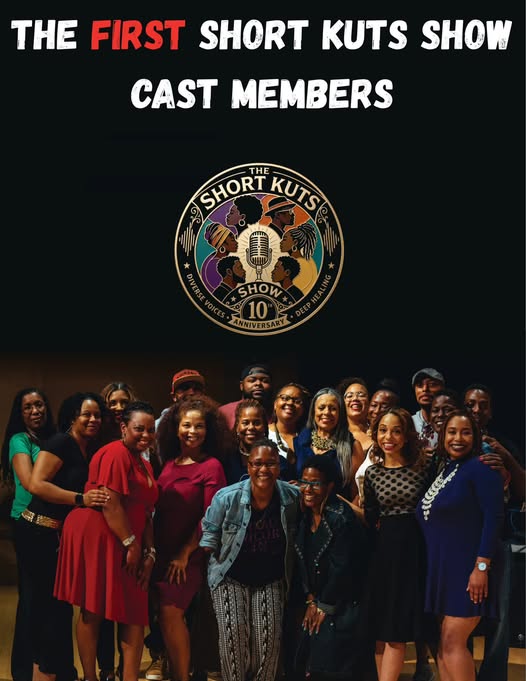 The first Short Kuts Show Cast Members.
From Storyteller to Story Sharer
Marc LaVeau, Short Kuts’ live performance director, joined not long after, bringing a theater background Shields hadn’t expected. "I just asked his brother to come on board," Shields said, "and then when he pulled out his credentials, I was like — he was a poet like me." Over ten years and roughly 25 productions, the team has insisted on one crucial distinction: their participants are not storytellers; they are story sharers. "These folks are sharing stories about themselves," LaVeau said. "They are not telling stories about some arbitrary object or person outside of their own lived experience... You are the frame, the bone, the skeleton in that story, and then you lay the flesh of the lived experience upon that frame." Every participant moves through what the team calls the three E’s — excavation, exploration and expression — a process of narrative coaching, not performance coaching, that shapes a life event into something that can be shared and witnessed.
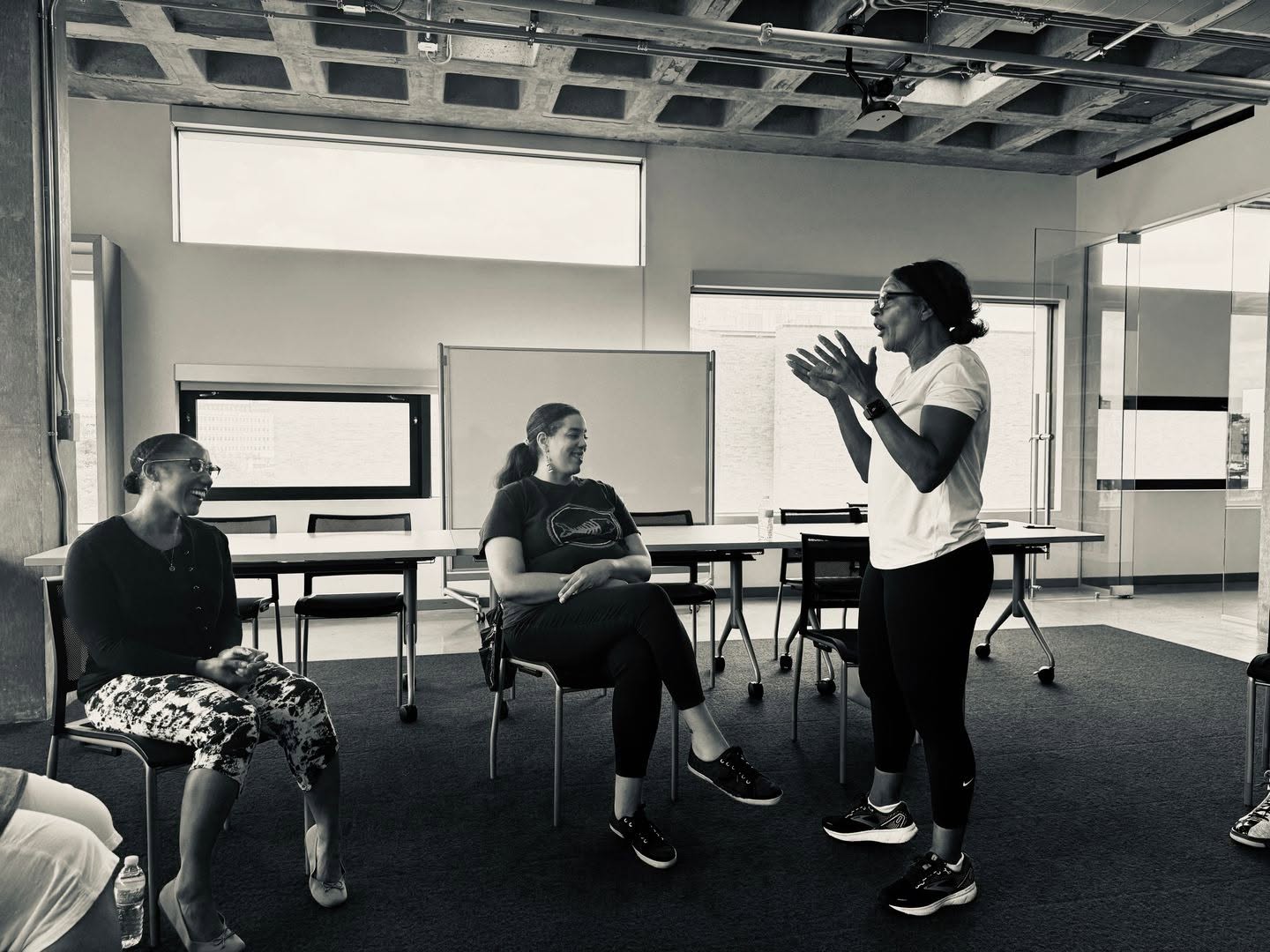 Short Kuts session with Sheila Dixon.
The Healing Behind the Curtain
What the team has termed their "narrative therapeutic process" now includes a mental health therapist, a mindfulness therapist, and a music therapist, who are brought in at various points throughout rehearsal. "Healing takes place on all levels," LaVeau said. "Even through this process of excavation and exploration... It’s sometimes eye-opening for me to hear different perspectives." Shields connects the work to a line from Dr. King’s Strength to Love: "The heart can never be totally right when the head is totally wrong." Storytelling, he said, "helps us process trauma. It reminds us that we are more than our pain." That’s why audiences don’t just watch — they stand, wave a hand the way one might in a Black church, and say, afterward, "I thought I was the only one." "That’s where the connection begins," Shields said, "and the connection is where healing begins."
"Our goal isn’t applause. It is transformation." — Dr. LaMarr D. Shields
The Vision You Don’t Always See
Much of what audiences feel on stage begins with someone who won’t be seen there: Kendra Rochambeau Banks, the show’s founding set and scenic designer and, LaVeau noted, the person who first connected him to the project. A former executive director of a cultural arts organization and museum educator now working as a school administrator, Banks has spent a decade turning Short Kuts’ emotional core into something audiences can physically walk into. "Kendra plays a major role in taking what’s in my head, what’s in Mark’s heart, and putting it in — making it visual," Shields said. For the anniversary, Banks and her team are building a photo and video exhibit tracing all ten years of the show, pulling back the curtain on the process before the audience ever takes their seats.
Beyond the Stage
Short Kuts also curates shows for organizations — including Kaiser and RnD Associates — helping them tell stories that statistics alone cannot. "A lot of us forget we have these numbers and these stats, but people want to know the stories behind these individuals," Shields said. "It’s kind of hard not to be connected with someone when you know their story." It’s the same instinct that shaped the RnD Associates show I was part of — proof that this work extends its healing reach well past the Short Kuts family itself.
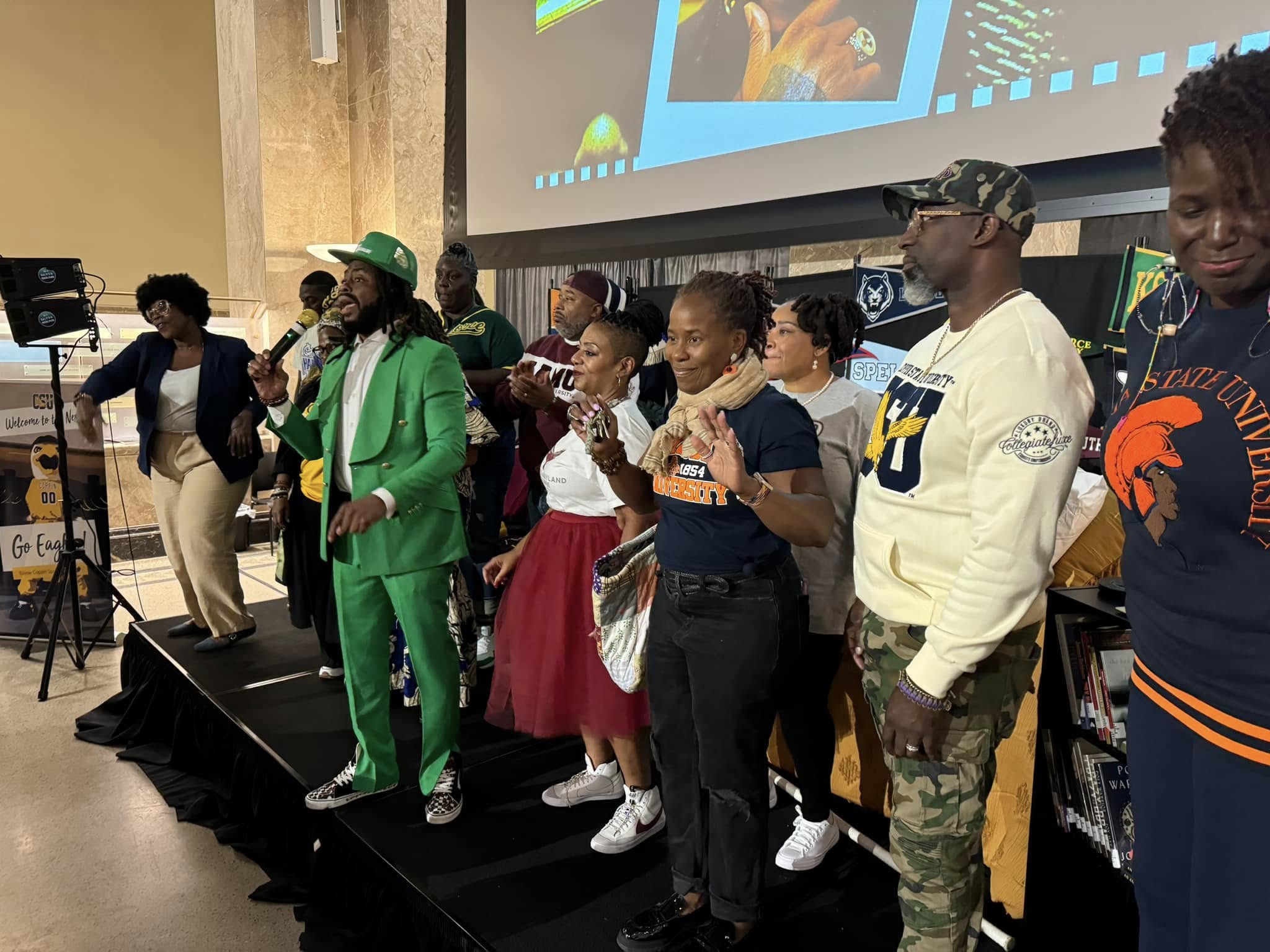
The Anniversary — and What’s Next
The 10th anniversary show, "Ain’t No Stoppin’ Us Now," runs Saturday, July 25, from 2 to 5 p.m. at the Reginald F. Lewis Museum, with stories drawn from a decade of themes including You Don’t Own Me, the Million Man March, the Black Woman Genius Show and Dance With My Father. Looking ahead, both men see the model expanding nationally into schools, health care organizations, congregations, and corporations. But the mission, Shields said, will stay the same: "Our goal isn’t applause. It is transformation."