
Stacey Abrams DEI Warning: The Price of Neglecting Diversity Commitments
The Importance of DEI in Modern Business
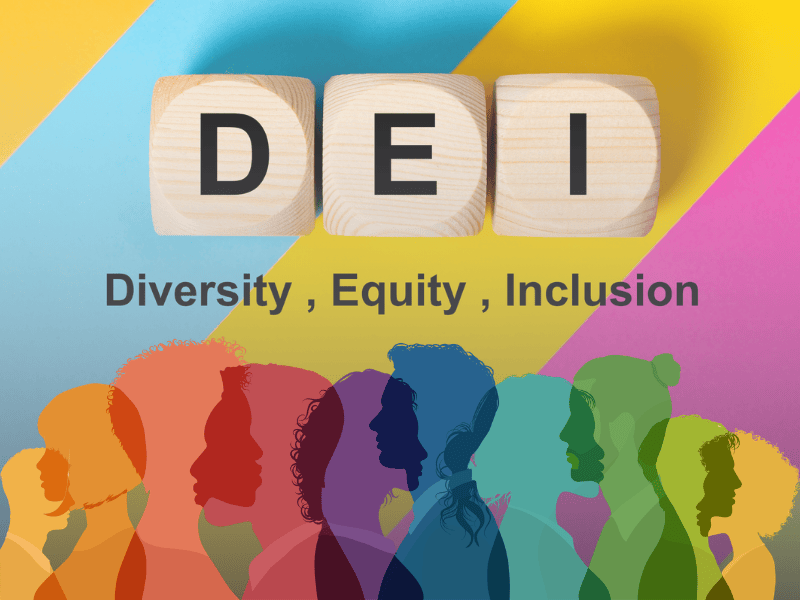
Diversity, Equity, and Inclusion (DEI have become essential components of modern business and strategy. In an era where social consciousness drives consumer choices, are held not just for their financial performance but their societal impact as well. Implementing DEI programs is not simply a matter of corporate responsibility also a strategic advantage that can lead to greater innovation, employee satisfaction, and expansion EmacingI attract a diverse client base while fostering environments that promote creativity broad perspectives within teams.
Stacey Abrams Warning to Companies
Stacey Abrams, a celebrated political leader and social justice advocate, has been about the imperative need for companies to adhere to their DE commitments. Abrams that businesses that fail to live up to their DEI promises not only jeopardize their public image but also face substantial risks that can affect their bottom lines. According to, these broken promises signify more than just a breach of; they represent a fundamental misunderstanding of the business value of diversity, is to drive economic growth and.
The Cost of Failing to Honor DEIments
When companies do not fulfill their DEI pled, costs can be multifaceted and severe. Financially, companies may customers who prefer support socially responsible. Moreover, potential investors assess a company's commitment toI as a measure of future sustainability growth. Relationships partners and stakeholders can be strained or even lost. In cases, the repercussions can to the operational level, affecting everything from supply chain dynamics to customer service outcomes.
Studies: Companies That Faced Backlash
Numerous companies that have failed to honorI promises have faced notable backlash. One example is a multinational corporation that declared ambitious diversity but failed to implement any actionable steps, leading to public and campaigns urging boycotts. Another instance involved a tech giant that touted inclusive culture, only for internal reports reveal discriminatory practices. Both examples serve as potent that promising change is vastly from achieving it through tangible.
Legal and Financialpercussions
Besides reputational damage, companies reneging on DEI commitments expose to significant legal liabilities. Failure to comply with equal opportunity can lead to lawsuits and fines. losses can accumulate not only from legal fees and but from market as consumers choose competitors perceived as more ethically sound Additionally, companies may face divestment from socially conscious investors, further exacerbating financial woes.
Impact on Brand and Trust
A company’s brand reputation is closely tied to consumer perception of its ethical standards, including its commitment DEI. Breaking DEI promises breeds distrust among consumers and portrays the company as lacking integrity and accountability. erosion of trust can lead to a in customer loyalty, diminished brand equity, and a tarn image that can years and significant to rebuild.
Employee Morale Retention Challenges
Internally, to meet DEI objectives severely impact employee morale. workforce that perce its employer as insinc in its DE engagements can becomeaged, reducing productivity and. Furthermore, high turnover rates might occur as employees seek workplaces that genuinely align with their values. This churn not onlys team dynamics but incurs additional costs related to hiring and training new employees.
Long-term Implications for Talent Acquisition
In’s job market, top talent employers that exemplify inclusivity and fairness. Companies that go back on their DEI may it to attract highly skilled candidates. Prospective employees increasingly researching potential employers’I policies and past performance, making transparency in areas a critical factor in recruitment.ual failure to honor DEI commitments limit a company's ability to build a workforce representative of diverse backgrounds and perspectives— drivers of innovation.
Strategic Steps to Uphold DEI Promises
To ensure that DEI initiatives are merely symbolic, companies should strategic steps to these into their corporate fabric. Establishing clear goals and metrics regular progress assessments, and accountability systems are crucial. Involving employees at all inI dialogues fosters collective responsibility. External audits and partnerships DEI consultants provide additional insights recommendations Transparency challenges and successes cultivates trust and demonstrates a genuine commitment to continual improvement.
Conclusion: Necessity of DE Eff
As Stacey emphasizes, the costs of failing to honor DE promises extend far beyond immediate financial impacts. They a company's competitive edge, morale, and cultural relevance. In the long run, genuine and sustained DEI efforts not only align with ethical imper but drive long-term business success By authentically integrating DEI into corporate DNA, companies can thrive in a diverse world that values inclusion and equality as fundamental to progress and prosperity.