
Stacey Abrams Delivers Powerful Speech in Concord: A Call for Democracy's Defense at East Bay Leadership Council Event
Stacey Abrams NewsroomA Powerful Message for Civic Leaders and Communities
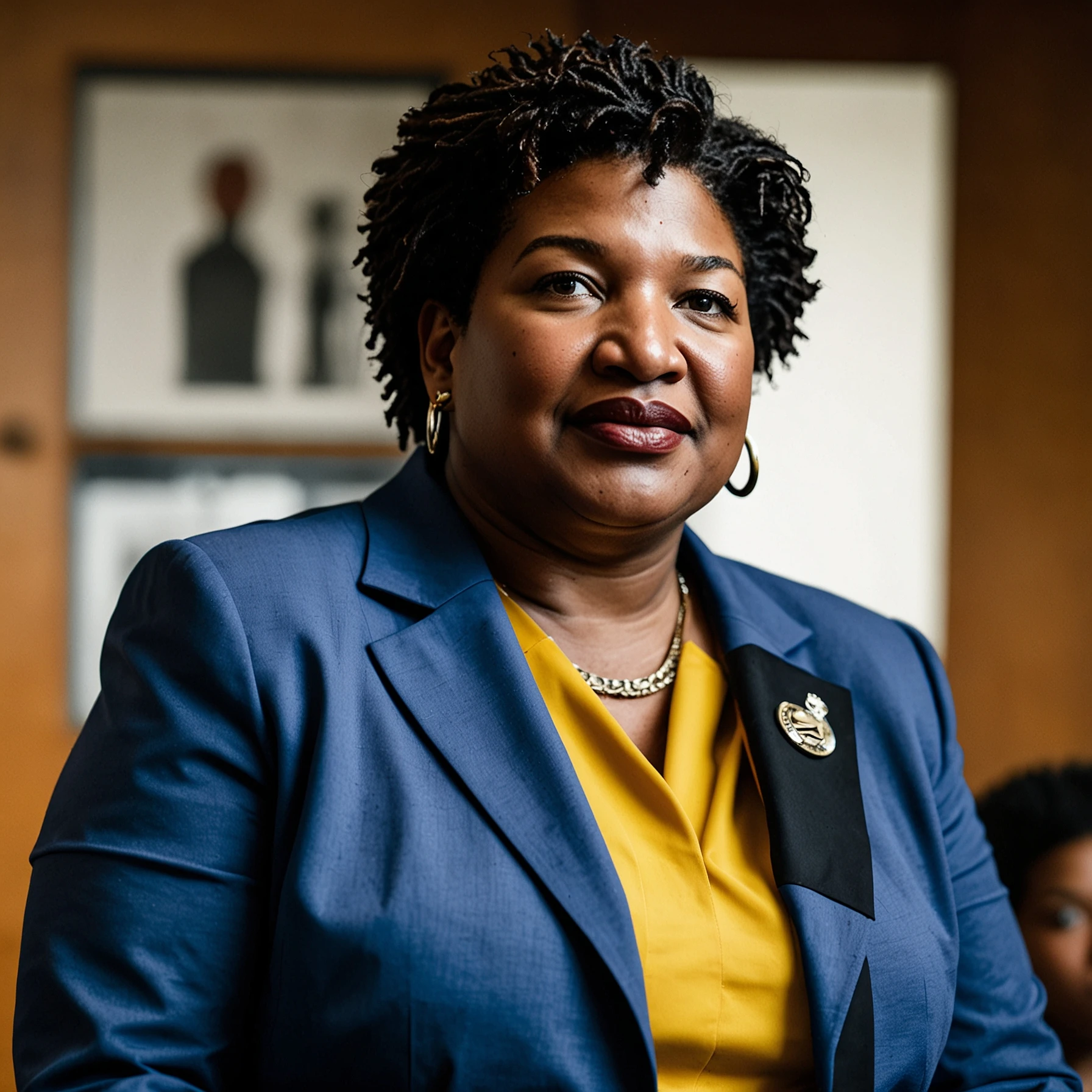
At a packed ballroom in Concord, California, civic leaders, business executives, and community members gathered to hear a message that was both urgent and hopeful. During the East Bay Leadership Council’s 40th Anniversary Leadership Series kickoff on January 29 at the Concord Hilton, political leader, entrepreneur, and bestselling author Stacey Abrams delivered a keynote address urging Americans to actively defend democratic values rather than assume they will endure on their own.
Abrams, widely known for her advocacy for voting rights and civic participation, has built a national reputation through her work as a public servant, business leader, and author. She made history as the first Black woman to become the gubernatorial nominee for a major political party in the United States and previously served as minority leader in the Georgia House of Representatives. In Concord, she reflected on her personal journey, the current challenges facing democratic institutions, and the responsibility individuals and communities share in protecting them.
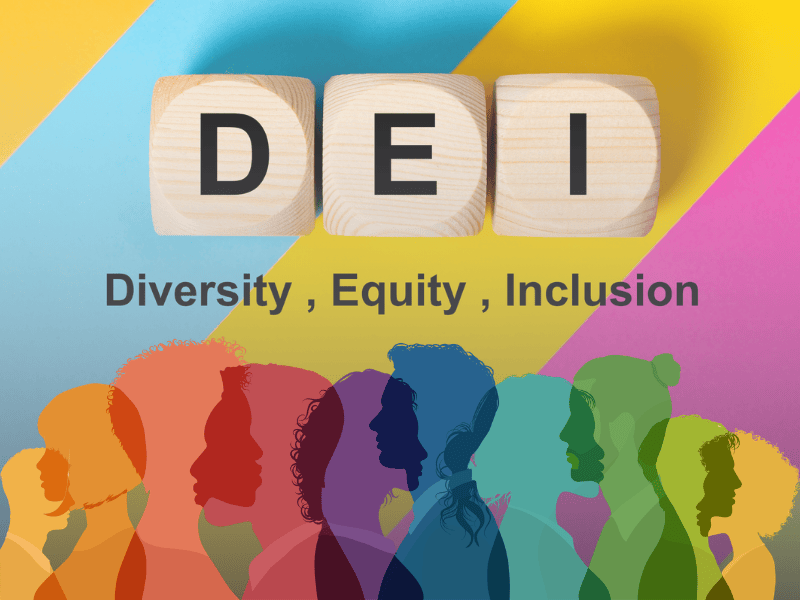
Moments after Abrams took the stage, the audience responded with laughter, applause, and thoughtful engagement as she blended humor, storytelling, and policy insight. Throughout her remarks, Abrams emphasized the importance of diversity, equity, and inclusion — often referred to as DEI — as foundational principles tied directly to the promise of democracy.
“DEI is not about race or gender or class,” Abrams explained during the speech. “It’s about America living up to its values. It’s about educating our people and building our future. It’s a pillar of democracy and a pathway for making the American dream real.”
A Leadership Journey Rooted in Family Values
Abrams’ remarks extended beyond policy discussions into personal reflection. She shared stories about her upbringing in a large family in the American South, describing how her parents instilled in their children a sense of purpose despite financial hardships shaped by systemic inequality and segregation.
Growing up with four siblings, Abrams said her parents emphasized education, faith, and mutual support as guiding principles. Even though the family faced economic limitations, her parents refused to allow those challenges to define their children’s futures.
“They told us that we had three responsibilities,” Abrams said. “Go to church, go to school, and take care of each other.”
Those lessons, she explained, helped shape her approach to leadership. Whether working as a lawyer, writing novels, launching businesses, or running for public office, Abrams has consistently framed civic engagement as a shared responsibility.
East Bay Leadership Council board chair Chadi Chazbek said Abrams’ career and message align closely with the organization’s mission of strengthening regional leadership and economic vitality.
“Stacey has dedicated her life to empowering communities,” Chazbek said during the event. “Here in the Bay Area, the values she speaks about don’t just feel good — they support innovation, economic growth, and opportunity.”
Community Leadership and Regional Impact
The event marked the start of the leadership council’s annual speaker series, drawing a broad cross-section of civic and business leadership from across the Bay Area. Among those in attendance were elected officials and regional leaders, including members of Congress and education officials from Contra Costa County. Corporate and institutional sponsors supported the program, reflecting the region’s strong public-private partnerships.
In addition to conversations about democracy and leadership, the event also highlighted pressing community challenges. Representatives from regional nonprofit organizations spoke about the ongoing issue of food insecurity across the Bay Area. During the program, Kaiser Permanente presented a $25,000 donation to the Food Bank of Contra Costa and Solano to support its efforts to address hunger in the region.
Food bank CEO Caitlin Sly accepted the contribution and described how community partnerships are helping expand the organization’s impact. According to Sly, the nonprofit distributes more than 2.7 million meals each month to roughly 80,000 households throughout the area.
Understanding the Risks to Democracy
Following her keynote remarks, Abrams participated in a moderated discussion with journalist Ann Notarangelo, a former television news reporter and member of the leadership council’s board. The conversation turned to Abrams’ broader national initiative known as the 10 Steps Campaign, a project designed to help citizens understand how democratic systems can weaken over time and how communities can respond.
Abrams outlined what she calls the “10 Steps to Autocracy,” a framework describing how governments can gradually move toward authoritarian control. She explained that such shifts often occur through a combination of information manipulation, suppression of dissent, and erosion of trust in democratic institutions.
One of the most significant risks, Abrams said, is the breakdown of a shared understanding of facts.
“When there is no shared truth, there are no shared values,” she told the audience. “And when that happens, democracy becomes harder to sustain.”
From Awareness to Action
To counter these trends, Abrams encourages citizens to follow what she calls the “10 Steps to Freedom and Power,” a set of actions designed to strengthen democratic engagement. These include organizing locally, participating in elections, supporting credible information sources, and holding public officials accountable.
Central to her message was the idea that civic participation requires effort and sometimes sacrifice.
“Civil resistance is hard,” Abrams said. “There are consequences. Our job is to assess the risks and decide how far we’re willing to go.”
She challenged the audience to move beyond symbolic support and toward meaningful engagement in civic life.
“If it feels good, it’s not enough,” Abrams added. “We all have to decide how we can push a little further.”
A Call for Leaders to Do Good
In a brief conversation with youth reporters attending the event, Abrams offered a simple philosophy for leaders in business, government, and community organizations alike.
“Be curious, solve problems, and do good,” she said. “If we can find ways to solve problems in our own communities, chances are we’re helping solve them somewhere else too.”
The message resonated with many attendees, particularly young journalists and emerging civic leaders who were present for the program.
Democracy Requires Participation
As the event concluded, Abrams’ remarks left the audience with a clear takeaway: democracy is not guaranteed. It is a system that must be nurtured, defended, and strengthened through active participation by citizens at every level of society.
Her closing message was both cautionary and motivating — a reminder that the health of democratic institutions ultimately depends on the willingness of individuals to engage, speak out, and act.
In Abrams’ words, meaningful change begins when people are willing to go beyond what simply feels comfortable and commit themselves to the ongoing work of democracy.