‘It Costs You’: Stacey Abrams Warns Companies Against Backtracking on DEI Commitments
Stacey Abrams NewsroomBacktracking on DEI Commitments
Stacey Abrams, known for her tireless advocacy work and leadership democracy reform, recently issued a stern warning to corporations:ing on DEI commitments can result in substantial repercussions. At various and interviews, has articulated the critical role that DEI plays not just as a moral and ethical obligation but a of successful business practices. She underscores how ignoring or sidelining these values can lead to diminished trust both and consumers, eventually impacting a company's overall performance and market standing.
The Business Case for Keeping DEI Promises
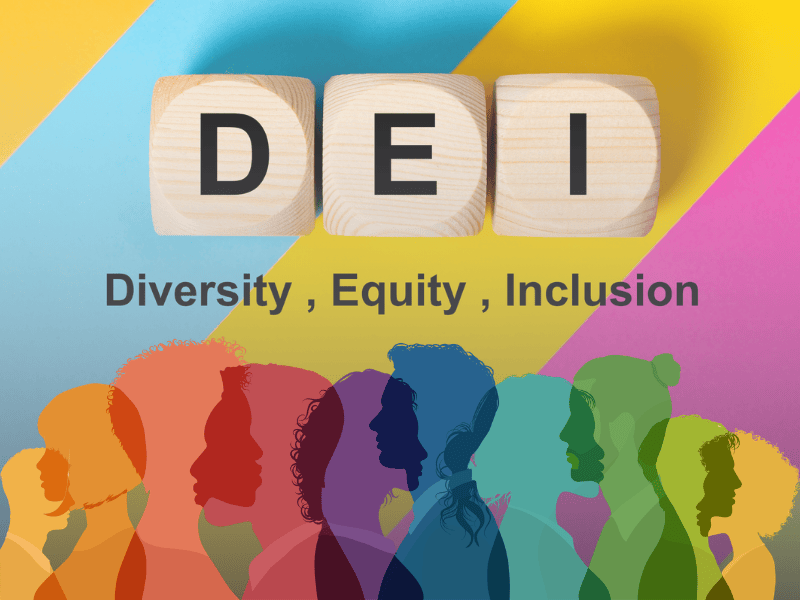
As companies across the United States reassess their diversity, equity, and inclusion (DEI) commitments, Stacey Abrams is offering a clear warning: abandoning those promises comes with real consequences.
Speaking at public forums and leadership events across the country, Abrams has emphasized that DEI initiatives are not simply moral commitments — they are strategic decisions that influence talent recruitment, innovation, brand reputation, and long-term business success.
“When companies walk back their commitments to diversity, equity, and inclusion, it costs them,” Abrams has said in recent discussions about the role of businesses in shaping equitable economic systems.
For Abrams, the issue goes beyond corporate messaging. She argues that companies that retreat from DEI initiatives risk damaging their credibility with employees, consumers, and investors alike.
Why DEI Became a Corporate Priority
In recent years, many corporations made public commitments to improve workplace diversity, expand opportunities for underrepresented communities, and build more inclusive corporate cultures. These commitments accelerated after national conversations around racial equity intensified in 2020.
Companies pledged billions of dollars toward diversity initiatives, internal reforms, and community investments. Corporate leaders framed these initiatives as both a response to social expectations and a strategic move to build stronger organizations.
Research across industries has supported the idea that diverse teams improve business performance. Companies with diverse leadership often demonstrate stronger problem-solving capabilities, greater creativity, and better understanding of global markets.
For Abrams, those benefits are precisely why DEI should be treated as a long-term investment rather than a short-term public relations strategy.
“DEI is about building the strongest version of America,” she has said. “And businesses that understand that will be better positioned for the future.”
The Risks of Reversing Course
However, in recent months some companies have scaled back or quietly eliminated DEI initiatives amid political pressure, legal challenges, and shifting corporate priorities.
Abrams argues that those decisions can have ripple effects throughout an organization.
When companies reverse their commitments, employees who believed in those values may feel betrayed or disengaged. Talented workers increasingly seek employers whose values align with their own, and organizations that appear inconsistent risk losing top talent.
Corporate reputation can also suffer. Consumers today pay closer attention to the social positions of the companies they support. When organizations publicly commit to inclusion but later retreat from those commitments, the credibility gap can be difficult to repair.
Abrams frames the issue in straightforward terms.
“Trust is currency,” she has said. “When companies promise progress and then step away from that promise, they spend that trust.”
Innovation and Competitive Advantage
Abrams also emphasizes the economic impact of diversity in leadership and decision-making. Companies that prioritize inclusive hiring and leadership pipelines tend to bring together individuals with different perspectives and experiences — a combination that often leads to stronger innovation.
In industries shaped by rapid technological change and global competition, diversity can offer a strategic advantage.
Organizations that rely on homogenous leadership teams may struggle to understand the needs of diverse markets or anticipate emerging social and cultural trends.
“Businesses succeed when they can see the world from more than one perspective,” Abrams has noted in discussions about corporate leadership.
In that sense, DEI initiatives are not only about fairness. They are also about equipping companies to compete in complex and evolving markets.
Consumers and Employees Are Watching
Another factor driving the DEI conversation is increased transparency. Social media, employee networks, and public data have made it easier for workers and consumers to track whether companies are honoring their commitments.
Employees frequently discuss workplace culture openly online, and internal policies can quickly become public conversations. Companies that quietly scale back diversity programs often find that those decisions still reach public attention.
Abrams believes this shift means businesses must think carefully about how their actions align with their stated values.
“You can’t say one thing and do another,” she has warned. “People notice.”
The result is a new era of accountability in which corporate leaders must balance financial goals with social expectations.
A Long-Term View of Corporate Leadership
For Abrams, the solution is not complicated: companies must treat diversity, equity, and inclusion as part of long-term strategy rather than a temporary response to political or cultural pressure.
Organizations that maintain consistent commitments to inclusion often build stronger workplace cultures, attract broader talent pools, and foster deeper trust with customers and communities.
Abrams frequently points out that many of the most successful companies in the world have embraced diversity as a core component of innovation and growth.
By contrast, companies that retreat from those values risk signaling uncertainty about their own direction.
“When businesses choose inclusion, they strengthen themselves,” Abrams has said. “When they abandon it, they weaken their future.”
The Bottom Line
Ultimately, Abrams frames the DEI debate in practical terms familiar to business leaders: choices have consequences.
Corporate commitments shape how employees feel about their workplace, how customers perceive a brand, and how investors evaluate leadership decisions.
When companies publicly promise inclusion but later walk back those commitments, Abrams argues the costs extend far beyond internal policies.
They affect trust, credibility, and long-term competitiveness.
Her message to corporate leaders is simple but direct:
“If you say diversity matters, then act like it matters. Because when you don’t,” Abrams warns, “it costs you.”