Stay Prepared for Life’s Storms: Invest in Your Mental Health
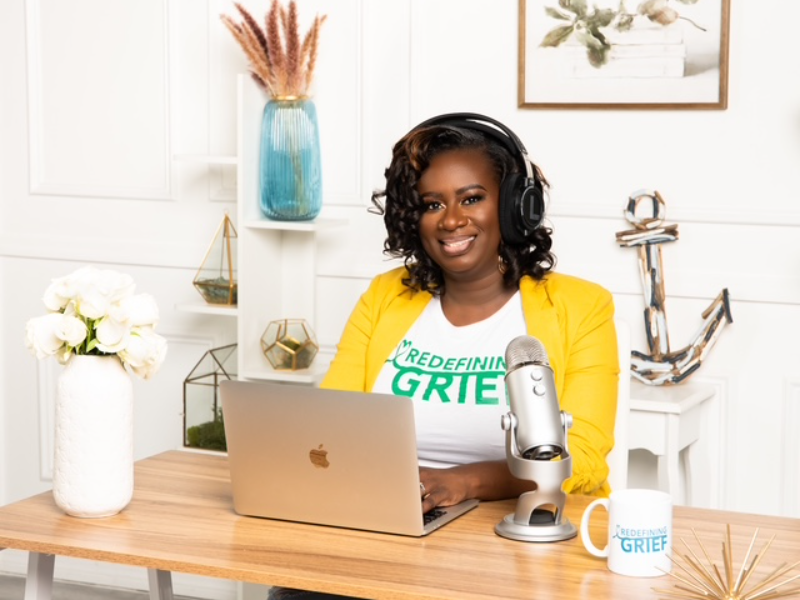
By Andrea BlackstoneJuly marks Bebe Moore Campbell National Minority Mental Health Awareness Month, providing an opportunity to raise awareness about mental health in Black, Indigenous, and People of Color (BIPOC) communities. Herdyne Mercier, LCSW—a certified grief coach, speaker, author, and podcast host—offers insight into mental wellness through her work with L.I.V.E. (Living Intentionally Victoriously with Expectation), a nonprofit organization, Mercier Wellness & Consulting, and alongside her husband, Dr. Jameson Mercier, LCSW.
Good Mental Health is Essential
“In my professional opinion, good mental health is essential because it enhances your overall quality of life. It influences how you think, feel, make decisions, build relationships, and respond to life's challenges,” Herdyne said.
Prepare for Life’s Storms
Herdyne noted that she reminds people that storms are inevitable. Every person with a heartbeat will experience loss, disappointment, change, trauma, or uncertainty at some point.
“The mistake many of us make is waiting until we're in the middle of the storm to figure out how to cope. When I talk about good mental health practices, I'm not simply referring to self-care activities like getting your nails done. While those things may help you feel good in the moment, they are not the same as mental health coping skills,” she added. “I recommend that we, as individuals, build coping skills before we need them.”
Good mental health practices are the skills that anchor you when life becomes difficult. They include naming and expressing your emotions; prioritizing quality sleep; going for a walk or engaging in regular movement; practicing mindfulness or deep breathing; praying or engaging in spiritual practices that bring peace; setting healthy boundaries; staying connected with supportive people; and seeking professional help when needed.
Emotional Resilience
Emotional resilience entails developing the ability to recover after difficult experiences, according to Herdyne. She recommends strengthening resilience by learning emotional awareness by naming your feelings; building healthy relationships and community; practicing gratitude; prioritizing sleep, nutrition, and movement; creating healthy routines; setting boundaries; developing spiritual practices if they align with your beliefs; and seeking therapy before you experience a crisis. Resilience is a skill that can be developed throughout life.
Views About Therapy Are Changing
Herdyne believes that more people are seeking therapy than ever before.
“According to the American Psychological Association (APA), the demand for mental health treatment has remained consistently high since the COVID-19 pandemic. Many therapists across the country continue to report full caseloads, and some even have waiting lists because the need for services continues to exceed the number of available providers,” she said.
The pandemic changed the way many people view mental health. It normalized conversations about anxiety, grief, depression, burnout, and trauma, helping people realize that seeking therapy is not a sign of weakness. It is a sign of strength and self-awareness. However, there are still barriers, including financial limitations, lack of access, cultural stigma, and the belief that asking for help is a sign of weakness. Herdyne hopes that therapy becomes viewed the same way we view preventative medical care—not just something we seek during a crisis, but an investment in our long-term well-being.
Understand Trauma
“Trauma isn't defined only by what happened to you. It's also about how your mind and body experienced what happened. Two people can experience the same event and respond very differently because trauma is personal,” said Herdyne.
Professional support provides a safe space to process painful experiences, understand how trauma affects the brain and body, develop healthier coping skills, and reduce symptoms such as anxiety, hypervigilance, depression, or emotional numbness.
“Healing doesn't erase what happened, but it changes how much power the experience has over your present life,” Herdyne added.
Resources
If someone is experiencing an emergency or is in immediate danger of harming themselves or someone else, they should call 911 or immediately go to the nearest emergency room. Herdyne provides noteworthy mental health resources below:
• 988 Suicide & Crisis Lifeline – Call or text 988 anytime for immediate emotional support.
• SAMHSA National Helpline (1-800-662-HELP) – Free, confidential referrals for mental health and substance use treatment.
• Open Path Collective (https://openpathcollective.org) – Affordable therapy with reduced-fee clinicians.
• Mental Health America (https://mhanational.org/about-mha) Mental health screenings, education, and local resources.
• NAMI (National Alliance on Mental Illness https://www.nami.org ) – Education, support groups, advocacy, and community resources.
• Redefining Grief Podcast (https://herdyne.com/the-redefining-grief-podcast) – Herdyne hosts the Redefining Grief Podcast. She holds authentic conversations about grief, healing, resilience, and mental wellness with experts, survivors, and everyday people. New episodes are released weekly.
Learn more about Herdyne and her books by visiting www.herdyne.com.